Emergence of invasive weedy rice in Southeast Asia. A review

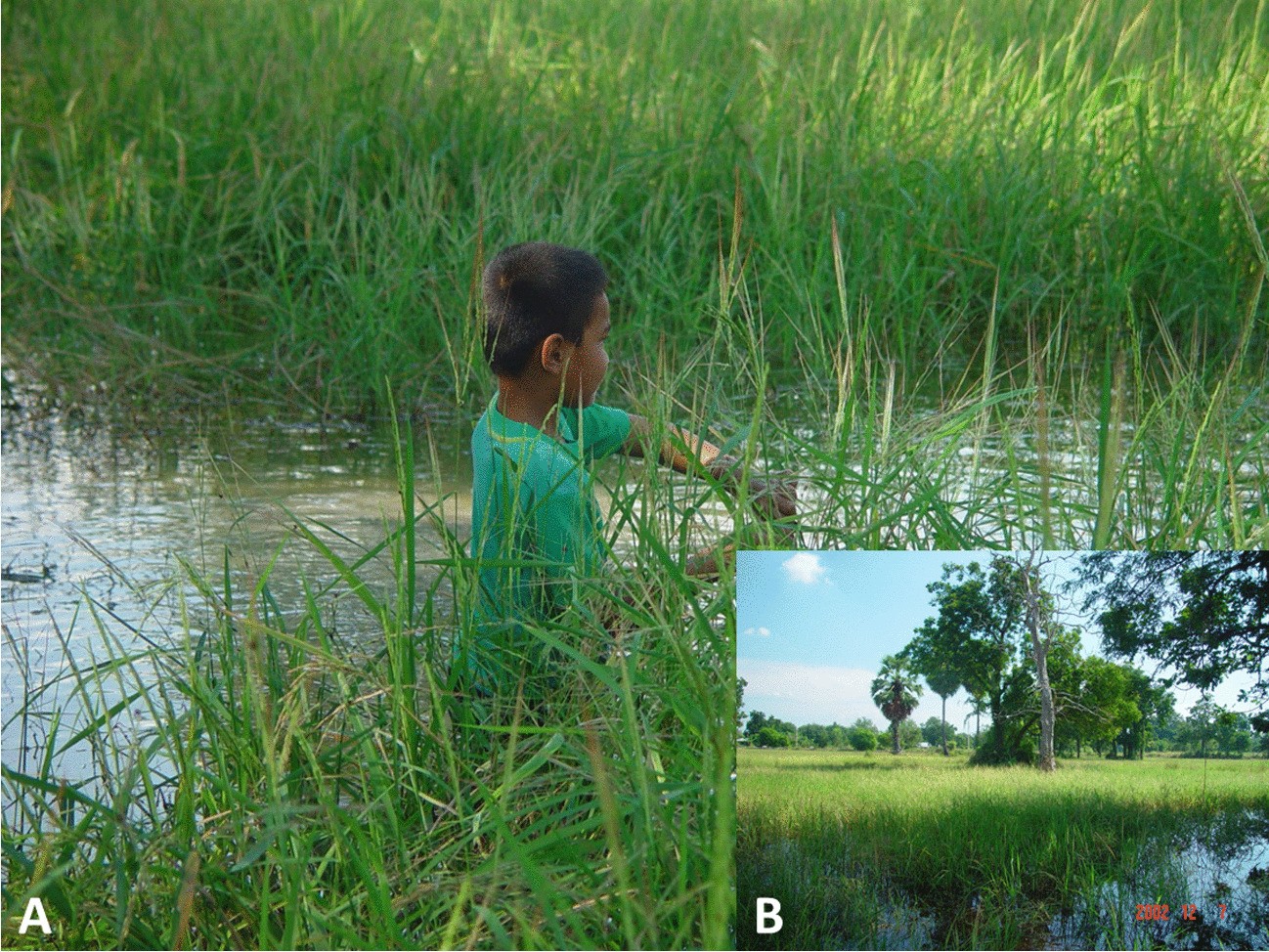
A boy with some pink-awned wild rice in the family’s rice field in Ayutthaya, Central Thailand (A), and a rice landscape with mixed population of cultivated, wild, and weedy rice at the same location (B). Photocredit: Chanya Maneechote.

This review seeks to describe the complete set of circumstances leading to the sudden invasiveness of weedy rice in Southeast Asia. The main finding is that weedy rice, like its wild ancestor, the common wild rice, is likely endemic to deepwater rice areas in Southeast Asia. Its recent ecological success in the wider region is based primarily on introgression of photoperiod insensitive trait from modern rice varieties. This has resulted in the removal of reproductive control by daylength in weedy rice, which broadens its adaptive capacity and increases hybridization opportunities. The paddy field environment favorable to weedy rice is created by modern crop management practices—from land preparation to direct seeding, combine harvesting, and chemical weed control. The arrival of modern rice technology at the end of the twentieth century has brought economic and social benefits to Southeast Asia, and also an unintended harm to rice production with invasive weedy rice. Weedy rice control should benefit from a comprehensive understanding of the mechanisms driving its sudden invasiveness and spread.

Jamjod, S., Maneechote, C., Pusadee, T. et al. Emergence of invasive weedy rice in Southeast Asia. A review. Agron. Sustain. Dev. 45, 23 (2025). https://doi.org/10.1007/s13593-025-01018-1


Cultivar mixtures increase stability and productivity over time through asynchrony and complementarity

Field experiment conducted in the southern suburbs, Zhangye City, Gansu Province, Northwest China. Photocredit: Long Li.

In a seven-year field experiment, we found that maize cultivar mixtures increased grain yields and stabilized year-to-year yields over time, which was attributed to increased asynchrony and complementarity among cultivars, differences in functional traits, and plasticity in response to neighbors. These mechanisms provide new insight into how intraspecific diversity increases both natural and agricultural ecosystem functioning.


Su, Y., Zhang, WP., Zhao, JH. et al. Cultivar mixtures increase stability and productivity over time through asynchrony and complementarity. Agron. Sustain. Dev. 45, 20 (2025). https://doi.org/10.1007/s13593-025-01014-5

Vineyard design and plant material choices effect on grapevine yield: analysis of a big dataset in the south of France

Fig. 1
Vineyard heritage, commercial vineyard, and new plot designed in Languedoc-Roussillon, France. A Old vines in a commercial plot during budburst (60 years and 2800 vines per ha) located in the hinterland, photo credit by Fernandez-Mena, 2021. B Mid-aged commercial plot during spring (20 years and 4000 vines per ha), in the Mediterranean coastal plain at Domaine du Chapitre, photo credit by Bouisson, 2020. C New agro-designed vineyard with cover crops in the inter-row (3 years and 3300 vines per ha) from AViti experimental system at Domaine du Chapitre, SALSA project. Photo credit: Metral, 2021.

Strategic design decisions regarding wine label, plant material, vine age renewal, and planting choices are crucial for winegrowers when planning their future vineyards that will influence grapevine yield in the long term. However, the repercussions of these choices have mostly been studied in experimental vineyards and small datasets. Therefore, we are missing a comprehensive analysis of a large diversity of vineyard situations that can robustly provide avenues for improving vineyard design and ensure sustainable wine production. To fill this research gap, we analyzed a big sample of vineyards using random plot data (n = 3507) from surveys conducted among winegrowers of the Languedoc-Roussillon viticultural region. We carried out a data analysis that focused on examining the relationship between grapevine yield and (i) diverse vineyard management frameworks (wine label, organic management, irrigation), (ii) plant material (varieties, rootstocks), and (iii) planting choices (planting density, vine age as a proxy for vine lifespan and renewal). Our findings indicate that wine label greatly affected yield; in conjunction with vine age, they explained up to 40% of the total yield variance. Most cultivated varieties exhibited similar yield levels for the same type of wine label. Notably, SO4 rootstock displayed the best yield performance across multiple cultivated varieties. We observed an adverse effect of vine aging on grapevine yield, particularly in highly productive vineyards. In contrast, the impact of vine age on the yield of low-yield plots was almost negligible. Plots under organic farming presented lower yields, although they were scarce in the sample. Unexpectedly, planting density did not significantly affect yield. Overall, these results underscore the significance of conducting big data analysis from winegrowers at a regional level, when it comes to assessing the influence of vineyard design and plant material on yield.

Fernandez-Mena, H., Gautier, M., Hannin, H. et al. Vineyard design and plant material choices effect on grapevine yield: analysis of a big dataset in the south of France. Agron. Sustain. Dev. 45, 16 (2025). https://doi.org/10.1007/s13593-025-01012-7

Optimizing sustainability in rice-based cropping systems: a holistic approach for integrating soil carbon farming, energy efficiency, and greenhouse gas reduction strategies via resource conservation practices

Standing crops of the experimental plots
Standing crops of the experimental plots (photo credit: Pradeep Kumar Dash).

The study underscores the potential of rice-green gram systems under resource conservation technologies in enhancing sustainability and resilience in lowland rice agroecosystems, particularly in Eastern India. Conducted over multiple cropping seasons as part of a long-term experiment, the research evaluated six conservation practices, including zero tillage, green manure, and biochar, in comparison to conventional methods. Among these, zero tillage emerged as the most effective climate-smart practice, achieving the highest carbon sequestration rate (0.97 Mg ha-1 yr-1), substantial energy savings (52.0%–67.8%), and the lowest global warming potential. These findings demonstrate the capacity of resource conservation technologies to reduce greenhouse gas emissions, enhance soil organic carbon stocks, and improve productivity, thereby offering a sustainable pathway to mitigate methane emissions and balance agricultural productivity with environmental stewardship. This research highlights the vital role of innovative practices like zero tillage with residue management treatments in advancing climate-smart agriculture and achieving long-term ecological and agricultural resilience.

Dash, P.K., Bhattacharyya, P., Padhy, S.R. et al. Optimizing sustainability in rice-based cropping systems: a holistic approach for integrating soil carbon farming, energy efficiency, and greenhouse gas reduction strategies via resource conservation practices. Agron. Sustain. Dev. 45, 11 (2025). https://doi.org/10.1007/s13593-025-01005-6

Minimizing the potential risk of soil nitrogen loss through optimal fertilization practices in intensive agroecosystems

Fig. 1
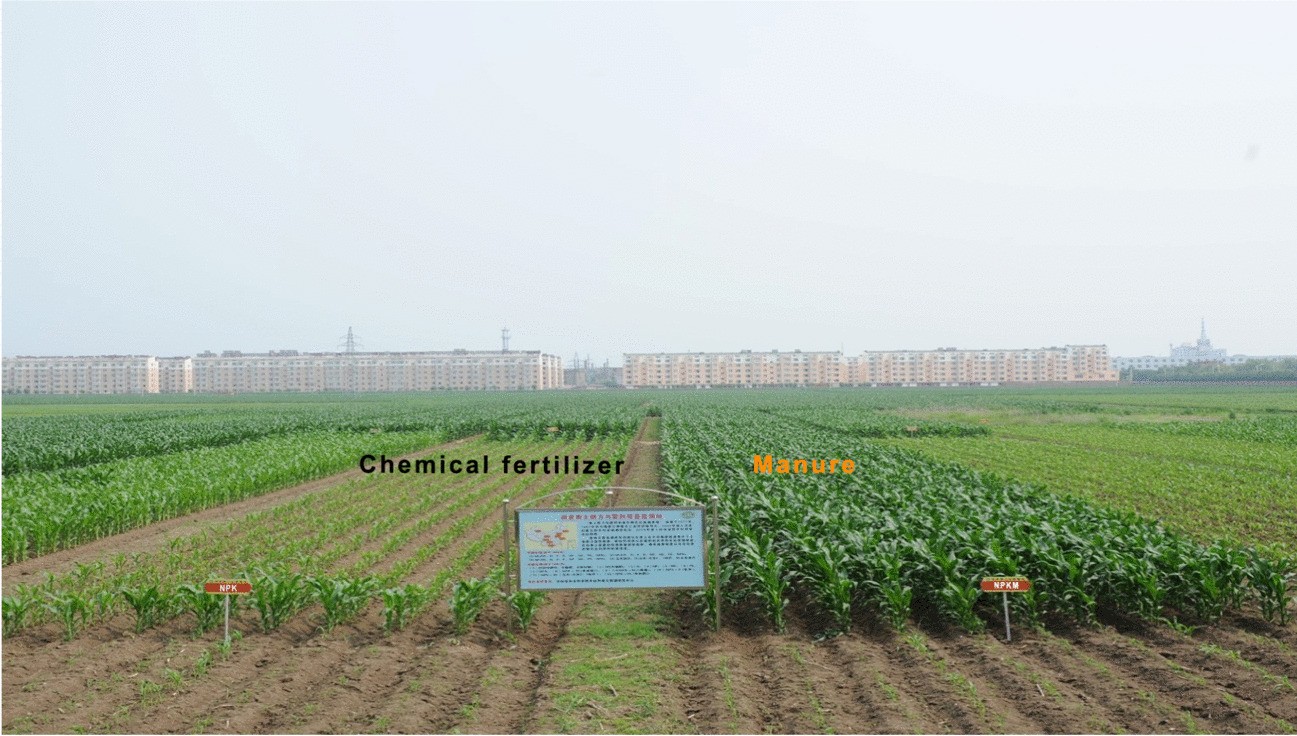
Assessment of gross nitrification and N immobilization rates under long-term chemical fertilizer and manure application treatments. Photocredit: Jun Wang.

Nitrification and nitrogen (N) immobilization are important pathways in soil N transformations, involving soil N loss and retention, respectively. The ratio of nitrification to N immobilization generally reflects the potential risk of soil N loss. However, little is known about the response of this ratio to anthropogenic carbon (C) and N inputs, but also climate and soil conditions. Here, we aimed to elucidate, for the first time, the impacts of chemical fertilizer and manure application on the ratio of gross nitrification to N immobilization by using 15N dilution technology, based on ten long-term fertilization trials spanning multiple climatic zones in eastern China. Results showed that manure application differentially increased gross N immobilization rather than nitrification compared to the chemical fertilizer treatment, leading to manure-induced decreases in gross nitrification to N immobilization ratio ranging from 1.2 to 93% across the sites. The decreased gross nitrification to N immobilization ratio in the manure treatment was mainly due to the increased ratio of bacteria to nitrifiers abundance. Manuring was more effective for a decrease in the gross nitrification to N immobilization ratio at sites characterized by high rainfall and low soil pH, as it prevented soil pH decline thereby favoring bacterial abundance and N immobilization. Consequently, manure application resulted in a substantial increase in soil total N accumulation, facilitated by increased microbial N immobilization that promoted microbial biomass. These findings suggest that substituting manure for chemical fertilizer in the areas with high rainfall and acidic soils promisingly reduces soil N loss risk, with positive consequences for soil N retention. This knowledge highlights the potential to reconcile soil N loss and fertility improvement through optimizing regional manure management, which offers valuable insights for the development of a tailored regional fertilization management strategy.

Wang, J., Zhang, L., Liu, K. et al. Minimizing the potential risk of soil nitrogen loss through optimal fertilization practices in intensive agroecosystems. Agron. Sustain. Dev. 45, 9 (2025). https://doi.org/10.1007/s13593-025-01006-5

The changing role of livestock in agrarian systems: a historical and multifunctional perspective from southern India

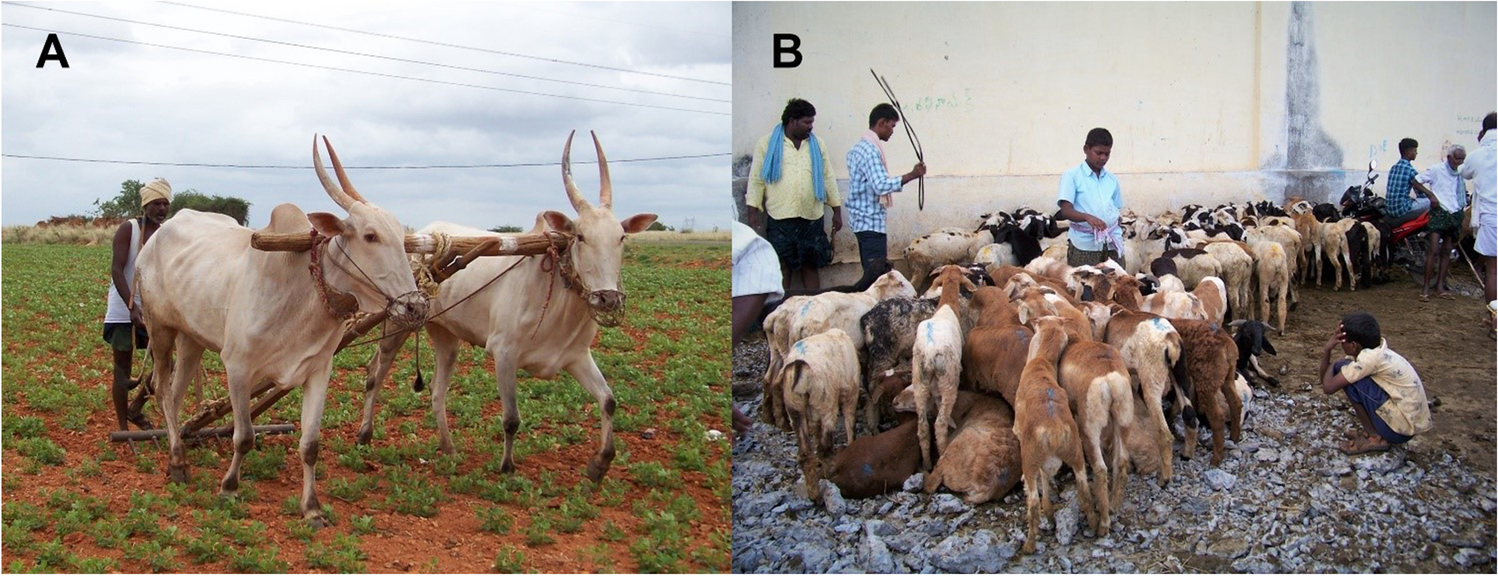
Examples of livestock functions in the study area today: weeding and hoeing a groundnut field using draft power (A) and selling sheep for meat purposes at Anantapur livestock market (B) Photocredit: C. Hemingway

Farm animals are often lumped together into a single “livestock” entity, reduced to the production of milk and meat and accused of being the cause of major environmental disruptions. However, livestock farming systems are highly diverse, and the functions of livestock encompass multiple dimensions. Based on the methods of comparative agriculture and the quantification of animal labor energy on farms, we explore the changing roles of livestock in a semi-arid area of southern India from the 1950s to the present day. We provide a typology of farms that reveals the evolution of agronomic, economic, food and power supply functions of livestock according to the social diversity of farms of the study area. This study provides key insights to nuance livestock debates: (i) livestock serves a wide range of functions beyond mere food production, (ii) livestock remains necessary for agricultural production despite most agronomic and power supply functions having been impaired by motorized mechanization and the use of synthetic fertilizers, (iii) crop-livestock integration has declined at farm level but has strengthened between farms at area level, (iv) livestock is neither an attribute of the rich nor the poor. This research, therefore, highlights the complexity of livestock farming systems. It combines historical, biophysical, social and ethnographic perspectives with descriptions of unique livestock-related practices that could improve the sustainability of agriculture.

Hemingway, C., Ruiz, L., Vigne, M. et al. The changing role of livestock in agrarian systems: a historical and multifunctional perspective from southern India. Agron. Sustain. Dev. 45, 7 (2025). https://doi.org/10.1007/s13593-024-00999-9

How on-farm research project participants compare to a general sample of farmers: a case study of US cover crop farmers

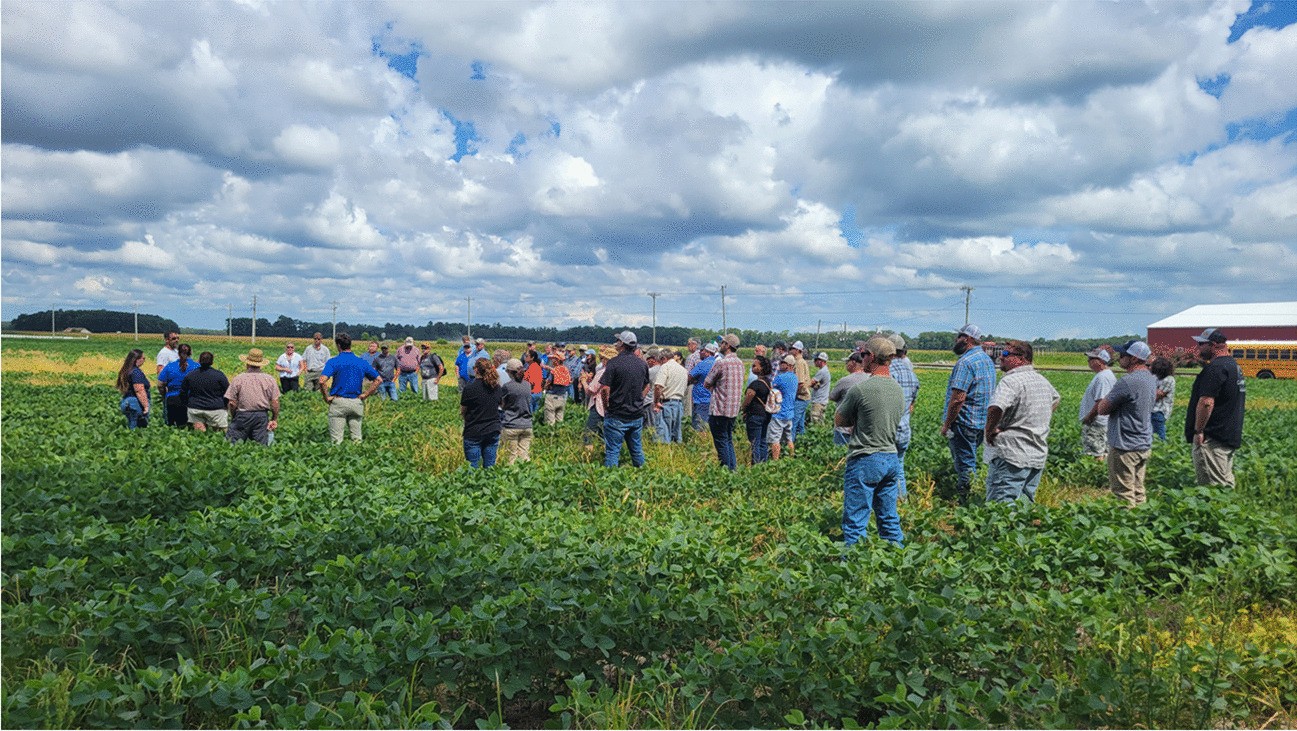
Farmer field day in Delaware. Provided by Precision Sustainable Agriculture. Photo credit: Jarrod Miller.

On-farm research with farmer participation is promoted as a transformative approach that increases inclusivity and innovation within agricultural research, ultimately improving research quality and outcomes. However, little is known about the farmers who participate in on-farm research (i.e., research farmers) or how well these farmers represent the broader agricultural community, including farmers not involved in research (i.e., non-research farmers). This gap in knowledge raises questions about both the application and generalizability of on-farm research findings as well as the equitable distribution of on-farm research benefits among farmers. In this study, we examine how research farmers’ behavior and perceptions differ from non-research farmers using two online surveys among US row crop farmers, focused on cover crops (N = 211). We find that among farmers that have engaged in cover cropping, research and non-research farmers are demographically nearly identical; however, there are several significant differences between the two farmer groups’ perceptions, social networks, and on-farm management. Here, we show for the first time that research farmers perceive cover cropping practices as less challenging and are more willing to engage in innovative cover crop practices compared to non-research farmers. Research farmers also exchange farming information with more people and are more willing to share their farm data, compared to non-research farmers. Given these findings, we consider the practical and epistemological consequences of extending insights gained from working with research farmers to the broader agricultural population. Our results highlight potential implications for farmer communication and engagement strategies, especially among those farmers who are not typically involved with on-farm research activities.

Hunt, L., Thompson, J.J. & Niles, M.T. How on-farm research project participants compare to a general sample of farmers: A case study of US cover crop farmers. Agron. Sustain. Dev. 45, 5 (2025). https://doi.org/10.1007/s13593-024-01004-z

Analyzing unexploitable, agronomic, and non-agronomic yield gaps in irrigated barley growing areas of arid and frost-prone regions from Iran

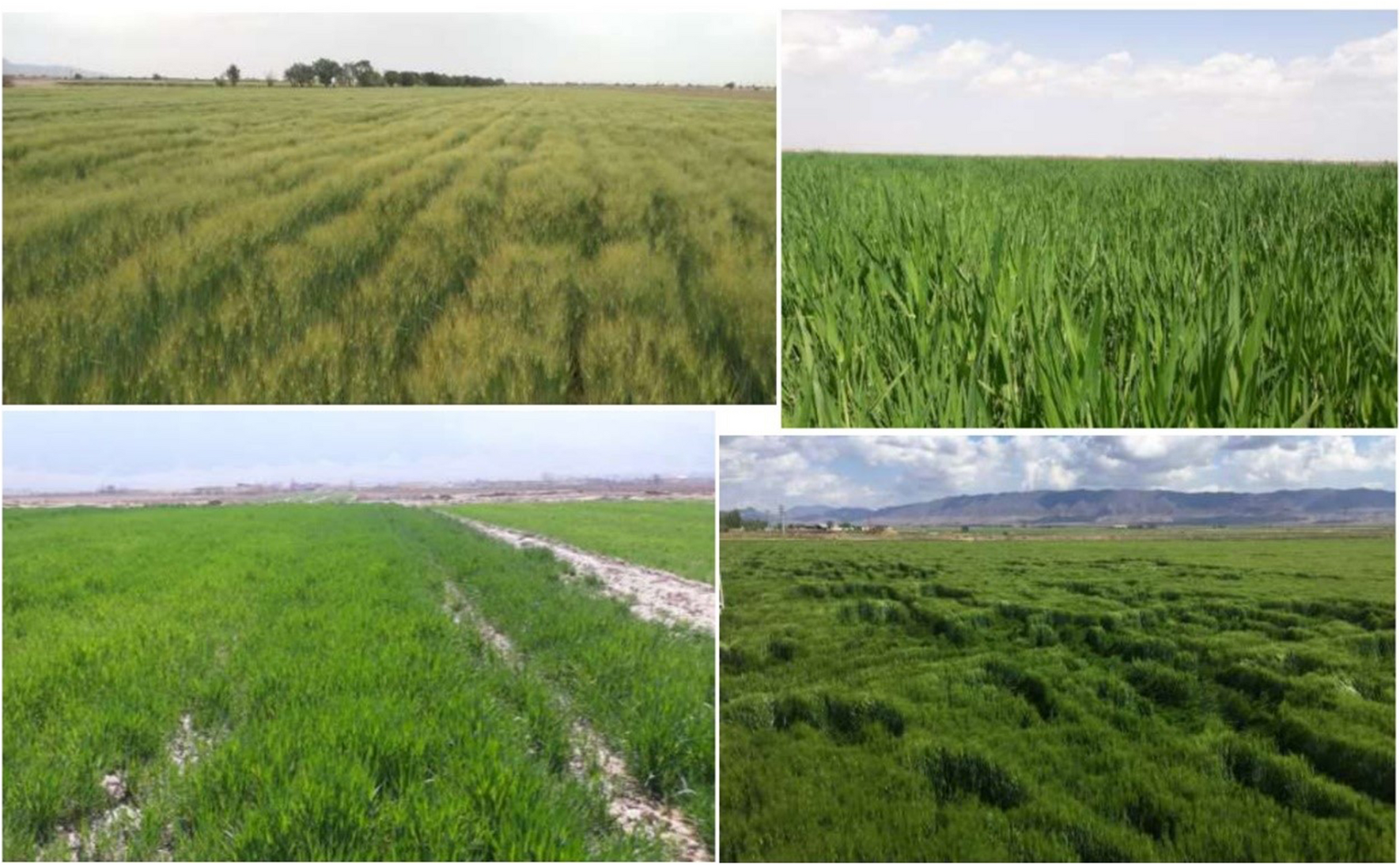
Fig. 1Barley (Hordeum vulgare L.) is one of the most important staple crops grown to produce feed for animals worldwide as well as in Iran with considerable surface in the arid and frost-prone climates. The yield gap analysis is an important topic for researchers worldwide as it aims to identify the factors influencing the gap between actual and potential yields and to enhance food security. To date, almost no long-term assessments have been focused on the barley yield gap analysis for the arid and semi-arid environments, particularly categorizing yield gap. In the current study, we therefore calibrated the APSIM-Barley model for three irrigated barley cultivars, validated the model using 31 field experiment reports, and applied it to simulate long-term (1989 to 2019) yields under eight production levels in eight major barley growing locations of Iran (Arak, Hamedan, Kabudarahang, Marvdasht, Neyshabour, Sabzevar, Saveh, and Shiraz). This is the first time that barley yield gaps are categorized into unexploitable, agronomic, and non-agronomic ones in Iran. The results revealed a huge difference between potential and actual yields (on average, 5.4 t ha−1 yield gap) across the studied locations indicating that the farmers could achieve only 38.6% of the potential yield. Yield gap values varied over locations and seasons. Unexploitable, agronomic, and non-agronomic yield gaps in the studied locations averaged 26.7%, 55.9%, and 17.4% of total yield gap, respectively. The major part of the agronomic yield gap in the studied locations was owing to water limitation, which accounted for ~ 40% of the agronomic yield gap, fold by other agronomic (30%), frost-limited (15.8%), cultivar-limited (13.7%), and sowing date-limited (10.4%) yield gaps. Our findings showed that by improving agronomic management practices, particularly water management and farmers’ non-agronomic conditions, the current yield gaps could be reduced considerably in arid and frost-affected locations.
Rahimi, M.R., Deihimfard, R. & Noori, O. Analyzing unexploitable, agronomic, and non-agronomic yield gaps in irrigated barley growing areas of arid and frost-prone regions from Iran. Agron. Sustain. Dev. 45, 4 (2025). https://doi.org/10.1007/s13593-024-01002-1

Possibilistic pathways and decision-making for goal achievement in integrated agritourism

Fig. 1
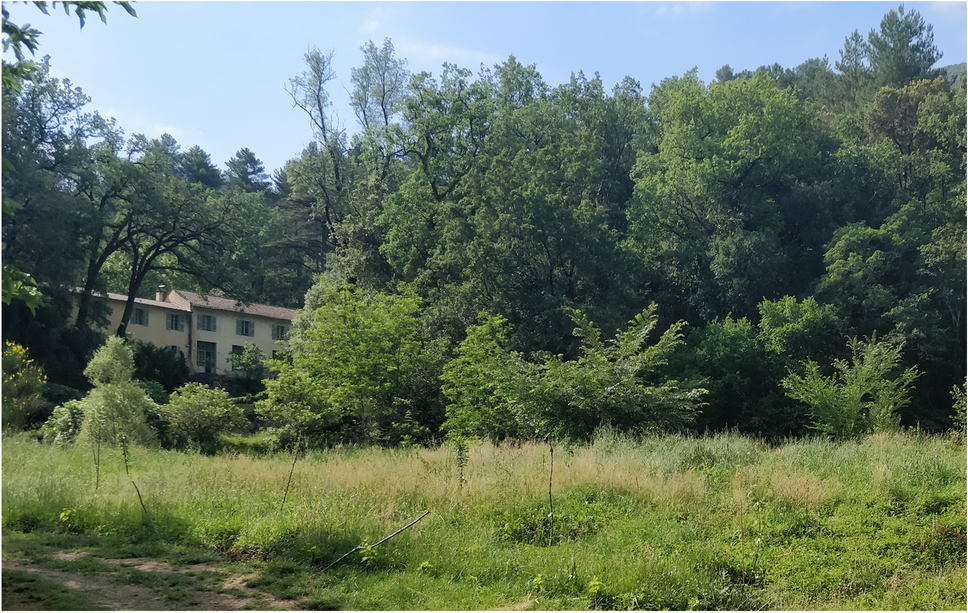
Montrieux Le Hameau. Young fruit trees have been planted in the forefront, a location close to the restaurant (further on the left). In the background, the traditional buildings house the lodging. Photocredit: A. de Lapparent

Integrated diversified systems require organizing individual and collective management of activities and commons. In this study, we use qualitative modeling tools to characterize possible pathways leading to a target corresponding to the stakeholders’ socio-ecological goals, on a case study of integrated agritourism. Pathways leading to the target exist, but the ability to reach the target can also be definitely lost.

De Lapparent, A., Sabatier, R., Martin, S. et al. Possibilistic pathways and decision-making for goal achievement in integrated agritourism. Agron. Sustain. Dev. 45, 3 (2025). https://doi.org/10.1007/s13593-024-00995-z

Restored legume acts as a “nurse” to facilitate plant compensatory growth and biomass production in mown grasslands

Experimental plots in Inner Mongolia, China

Anthropogenic disturbances have led to substantial declines in grassland legumes worldwide. Through seven years of field experiments, our results demonstrate that legume restoration in natural grasslands can sustainably provide higher biomass production through enhancing compensatory growth in natural grasslands that have suffered from prolonged or intense defoliation. This highlights the critical role of leguminous species in a long-term grassland restoration.

Guo, M., Guo, T., Zhou, J. et al. Restored legume acts as a “nurse” to facilitate plant compensatory growth and biomass production in mown grasslands. Agron. Sustain. Dev. 44, 60 (2024). https://doi.org/10.1007/s13593-024-00994-0